

From business builder to hobbyist
Why I quit the grind to focus on what I enjoy

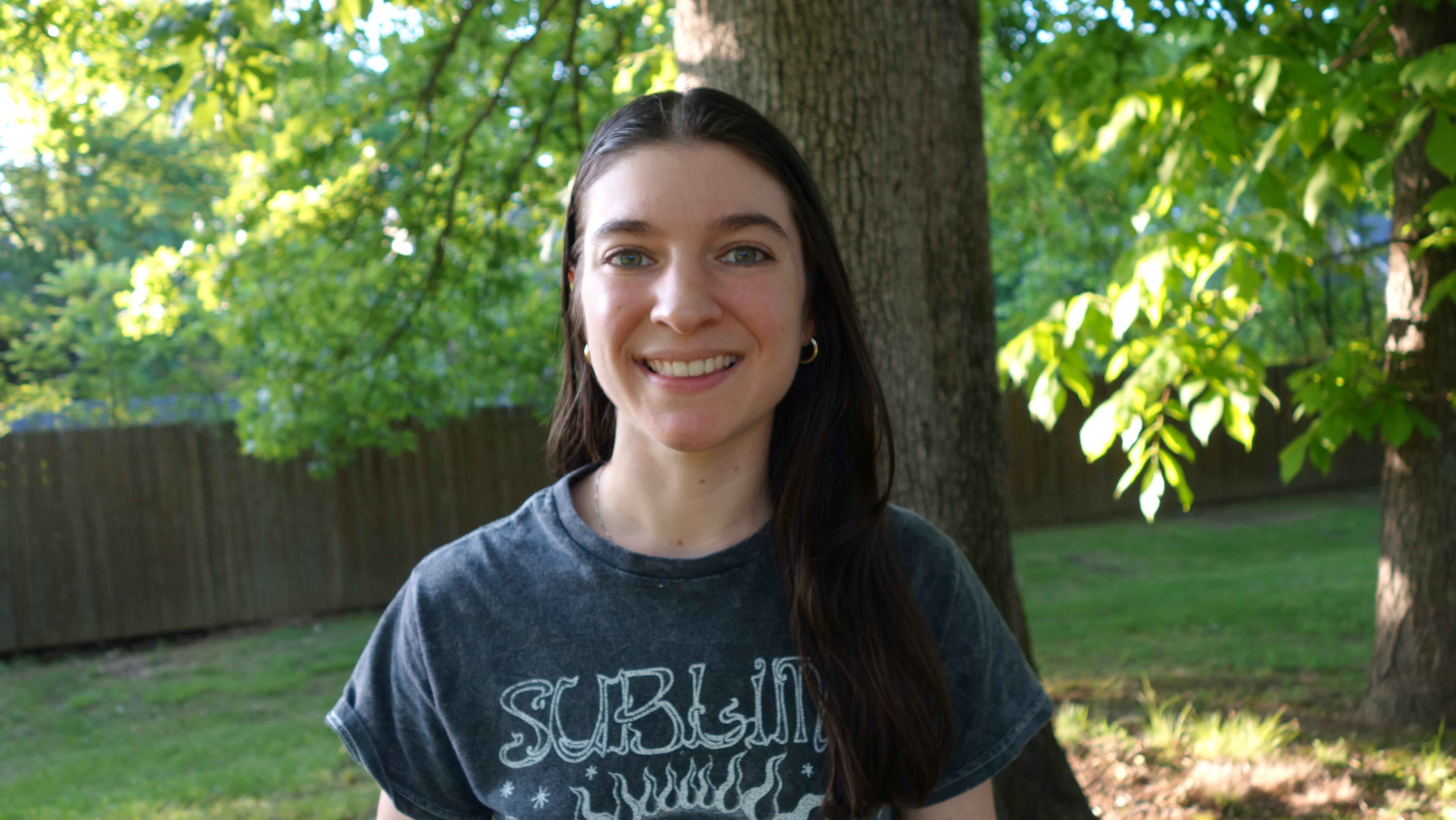
Hello all - I wanted to write a brief note here to pre-introduce a new change I’m making to my Substack. I have rebranded this publication to Altstreamer, which stands for “Alternatives to the Mainstream”. I will be sharing more information about this new concept in the next post I make, so be sure to keep an eye out for that to learn which direction I’m taking this in. Until then, enjoy this personal story that played a pivotal role in making me the hobbyist I continue to be today.
Today’s post on Altstreamer will be a bit more personal and interesting to discuss. I frankly didn’t think I’d be sharing more detail than what I already had in a previous post. However, this story shows exactly how I arrived at where I am today with many important lessons along the way. I will be sharing how I pivoted from “business building” to “hobbying”.
Neither of these things I did (and do) full-time; I currently work full-time in an office environment. A good amount of my time before and after work, however, was (and is) directed toward business building and hobbying. Both played a large role in how I viewed myself and approached much of what I did. And there is, overall, much to speak on this transition.
Before beginning the story, I am going to raise the question you are likely thinking: “If business building involves income and hobbies involve no income, then why the large pendulum swing?” You will learn the answer in this story and find that it isn’t as black or white as it is easy to speculate. With that established, here is how that shift occurred.
From Hobbying to Business Building
I have had hobbies for as long as I can remember. When I was a child, there were always projects I was working on. This included writing my own TV show and movie scripts, drawing, origami, photography, web design, among others. I have always known how to keep myself, as I like to say, intentionally occupied! Fast forward to high school, my interests had evolved as one would expect. I was still doing photography, but I was driving myself to state parks and taking many pictures there. I was still writing, but now poetry and my first songs. There were also new interests I picked up with my new-found freedom such as hiking and yoga. All these projects and interests I consistently did up until 2021 when I started business building.
So how did I get into business building? It all started when I had an idea that was to help me systematize an aspect of how I went about my life. That idea was to create a chart that showed and grouped all the domains of my life I needed and wanted to keep in balance. It was the first way as a young adult that I made sense of all the factors at play by seeing it laid out in visual way. This then led to creating other visual worksheet resources to help me make progress in other areas. Soon after, I started having ideas for long descriptions for these worksheets as if it were all compiled into a book. And then it became a workbook! I will spare all the details here, but if you want to learn more about that process, read My Writing Journey.
Around the same time I began working on this workbook, I also started thinking that this project could benefit from additional branding and that there was potential for spin-off products/services to compliment it. This is when I hit pause on my music projects and switched gears. This second idea soon became Livin’ Analog, which is what I described as “a personal and professional development project serving individuals and organizations.” The premise of Livin’ Analog was to promote digital minimalism and provide resources that would help people become more analog in an increasingly digital world. The pillar offerings for Livin’ Analog were events, speaking engagements/workshops, courses/books, among other ideas that I started developing.
From Business Building to Burnout
As you can see with the initial worksheet idea, the workbook, and Livin’ Analog, one thing really led to another. The peak of this project, though, is when I decided to put on an event called the Livin’ Analog Day Retreat. This idea had come to me on a hike one day, and it seemed like such a cool idea in my head that I decided to do it. The premise was for it to be an entirely phone-free, outdoor event where people would “Find new hobbies, rethink technology, and meet like-minded people.” I really wanted kayaking to be part of the event, so I specifically selected a park with a lake to give people that option.
Then came all the logistics: site visits, speaker selection (there were two speakers that flew in from both sides of the US), vendor contracting, sponsorship outreach, attendee marketing, making PR pitches, supply ordering, among many other steps. I basically became an all-in-one event planner for this. If this all sounds exhausting, it was! There was a moment four months prior to the event where I wondered if I should go through with it, and I knew I needed to decide whether I was going to send it or call it off. I decided to send it. It’d be interesting to see where I ended up today if I took the opposite course of action.
I’d now like to share a few photos from this event so you can have an idea of how it was set up and what took place.
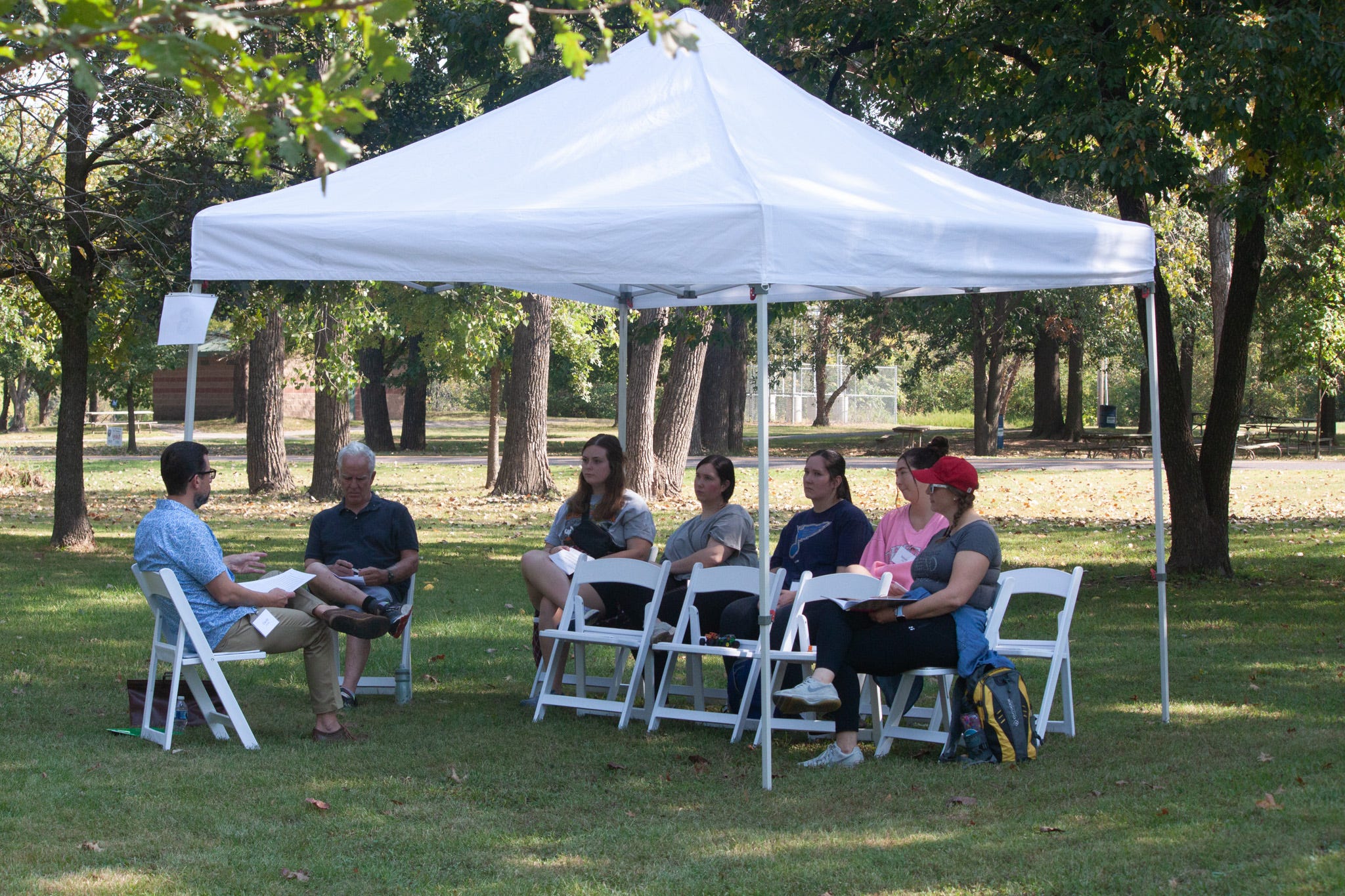
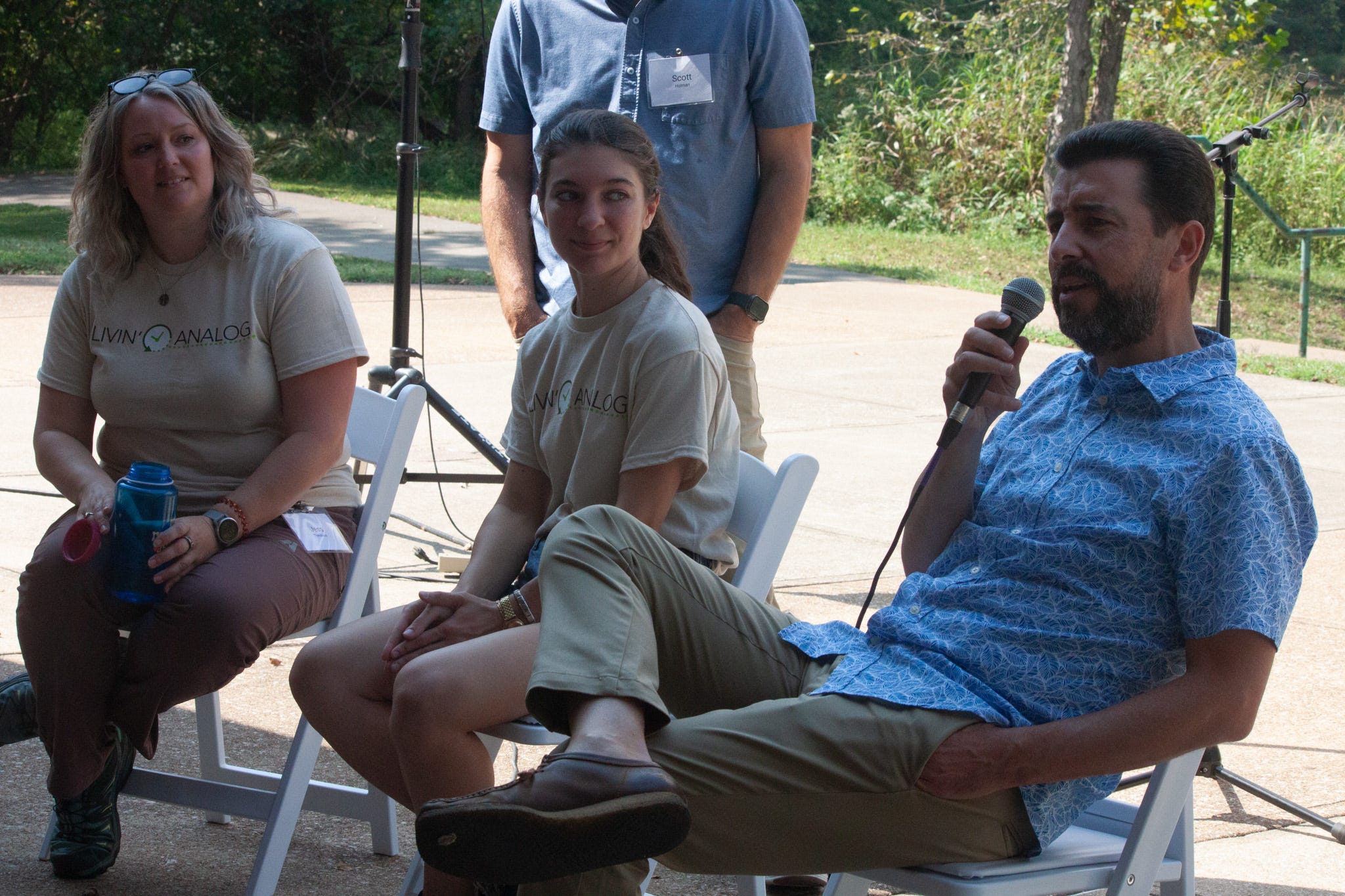
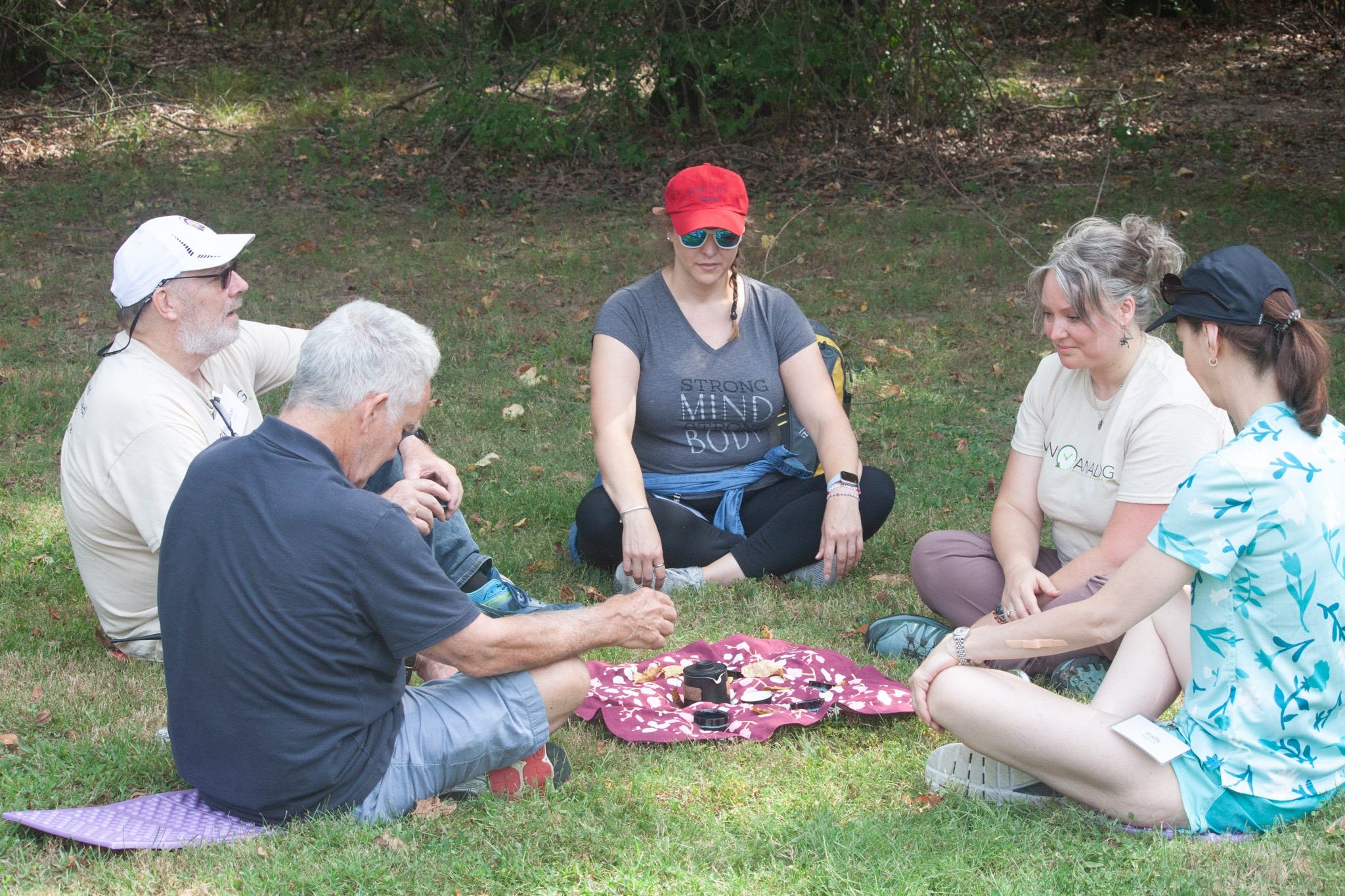
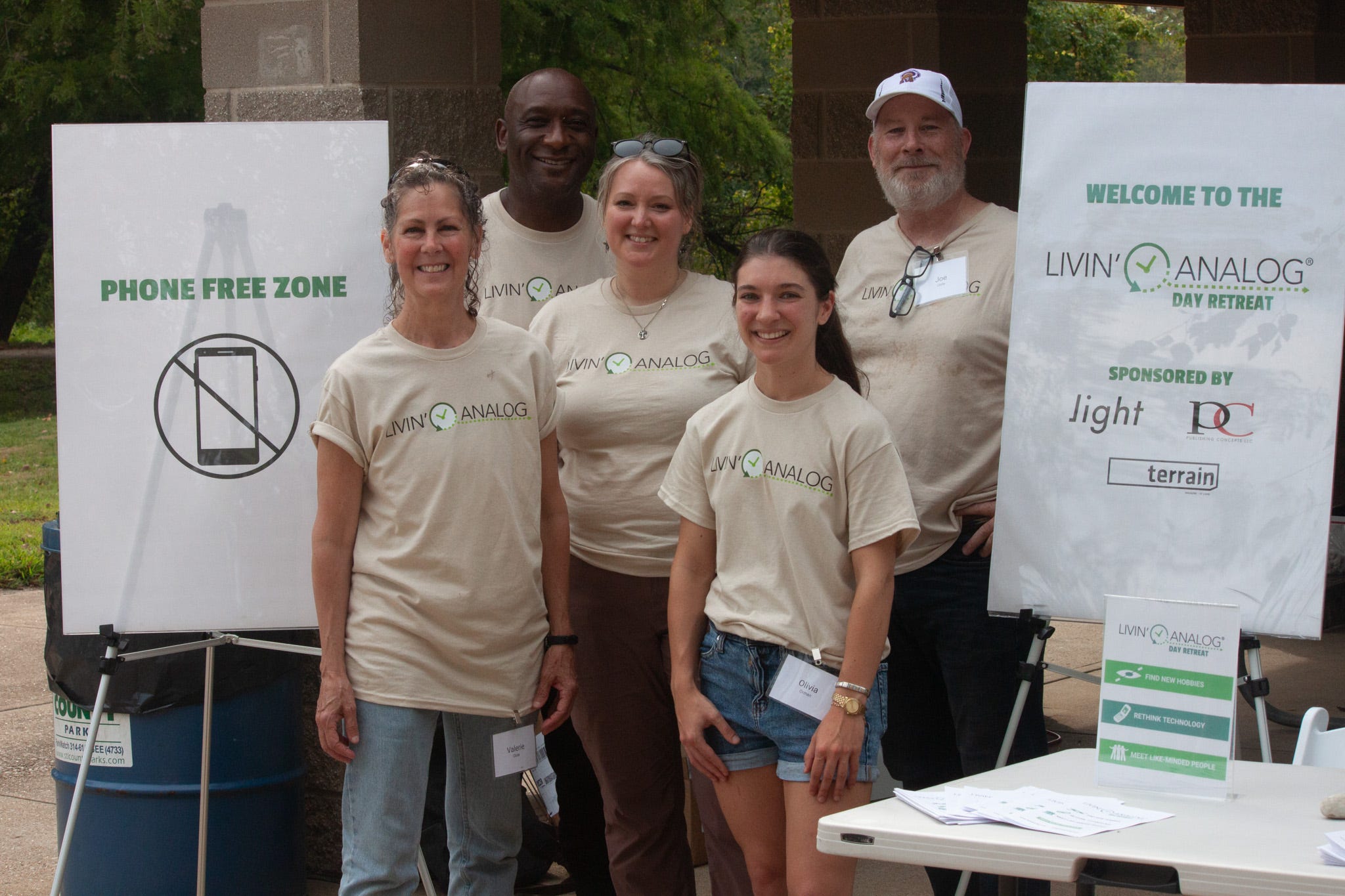
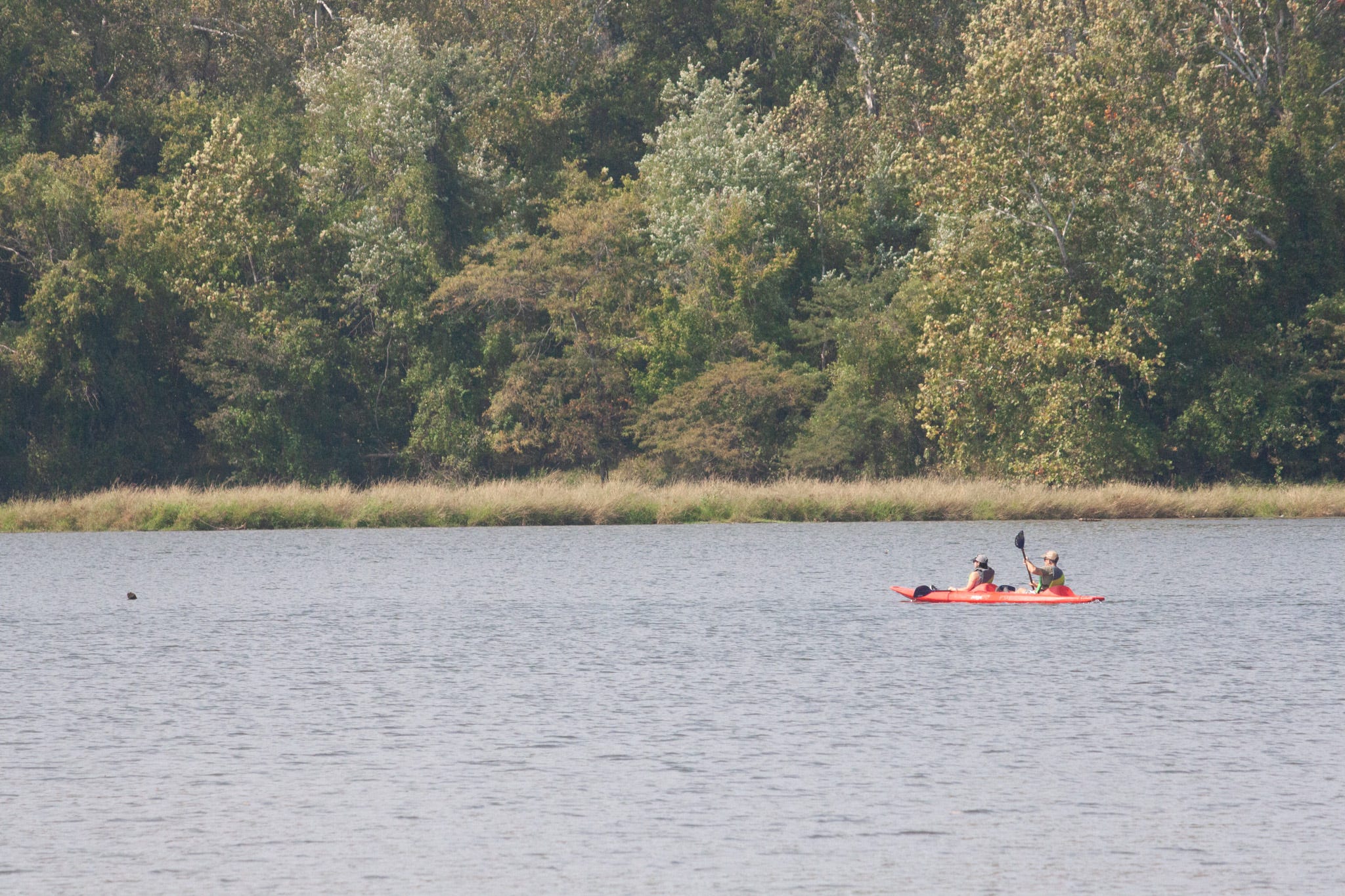
When I look back at these photos, I look at them with a fondness for how well the event went (plus how perfect the weather was that day) and how much everyone enjoyed the event. But I also sense the undertone of burnout with this event as the person who lived through it.
I will spare providing every detail between when I started planning and the day of the event, but what I do want to mention is that I was working non-stop in this timeframe. In addition to the event, I also started making several visits to my grandparents’ home to start recording stories for the family history book I wanted to create in my lifetime (more information on that can be found in my post The Story of My Family History Book). Then I had my full-time office job and a demanding project that same year that I often worked on outside of standard office hours. And then there were the personal odds and ends in-between! You’re probably wondering at this point how I managed to juggle all of this and stay sane. I managed with the juggling by truly working around the clock, but I was certainly not okay.
Once the event concluded, I took some time to recharge and evaluate what I wanted to do next. I had already saved the date with the same park for the following year as if I were to hold the event again, but I was definitely on the fence about it after everything I had put myself through. It wasn’t just the event, though; Livin’ Analog, as a whole, had a lot of tentacles to it. And to grow the audience more and generate more sales, I was almost convinced that the only way to accomplish this would be to bolt on more!
With all the time and money I sunk into Livin’ Analog, I knew that it was important to sit myself down and determine if I really wanted to continue forward with this project and if it was giving me the life I truly wanted for myself. Either decision would yield difficult consequences: sticking with it meant more time and money, walking away from it meant losing the time and money I had already sunk into it. With much thought and deliberation, I concluded the best thing for myself would be to walk away from it.
Burnout in the Trenches
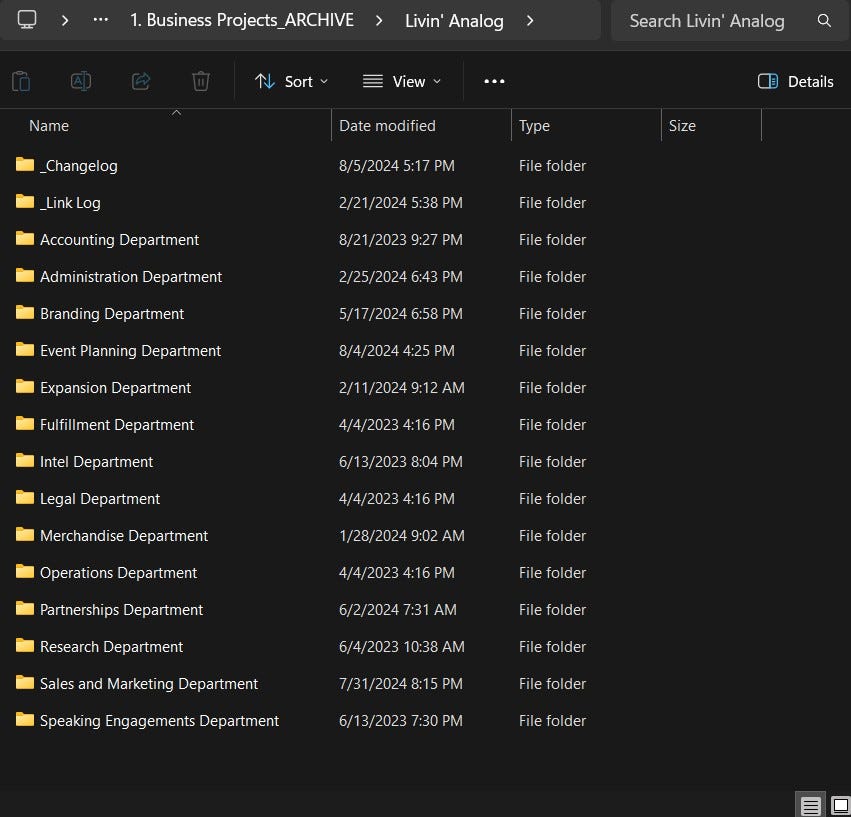
Livin’ Analog was set up as an actual company with a legal filing, bank account, and even trademarks; it just didn’t do a lot of business. Naturally, this made wrapping up the business more complex and step intensive. There were many of errands to run, calls to make, expenses to cancel, and files to archive. I managed to fully close the Livin’ Analog chapter by the end of June 2024, and that was frankly the largest relief. That didn’t change the fact that there was still much to do and burnout that I was facing, but it was a weight off my shoulders.
Prior to my decision to close Livin’ Analog, I was exploring other possible income options to continue funding the project. This included exploring the idea of an Etsy store where I could sell large format coloring posters with fun facts on them (which was short-lived), along with starting to prospect possible email marketing clients within a few different niches (which took place over a long period of time before it became clear that the AI landscape changed how companies go about that). I was also continuing to work on my family history book (now vigorously) during this time, and I did start working on my music again a bit.
In August 2024, I was visiting with my dad, and he showed me some recent home décor pieces he had made from scrap wood. He had mentioned wanting to start selling those pieces before, and that got my wheels turning about how we could create an eCommerce store for these pieces. That idea soon became ALO Woods, which I created a website and full product catalog for over the next five months. Then my sister and I started building a brand presence for ALO Woods on social media, and I started marketing it ongoingly. I discontinued with the marketing a few months into 2025 since a lot of work went into my efforts for very minuscule outcomes in return. With my dad being busy with his work and me wanting to focus on some other personal and day work-related projects, we hit pause on that one for now. This is when I really started to become more hobby centric.
From Burnout to Hobbying
2025 was the year I really became deliberate about creating the life I truly want for myself. It’s when I started using and configured my task manager, learning how to knit, learning how to sing, writing and composing music again (which I vowed to never quit working on again), pivoting into a new work role that would enable me to augment my income, and starting what was then Hobbyisms. I plan on writing about where I was when I initially established these goals versus where I am now a year later with the focused efforts I put forth. For now, I will just leave it at how I managed to successfully dig myself out of the trench by the end of 2025 that had I originally gotten myself in.
One more notable aspect I’d like to mention is regarding burnout itself. As indicated earlier, the peak of my burnout occurred with the Livin’ Analog Day Retreat when I was doing so much to get everything ready for the event (and the burnout continued through 2024). I was still experiencing burnout through mid-2025, but there was this one day that I was taking a walk through the neighborhood and I experienced the last of the burnout escape me. I don’t know how else to describe other than my life cracking back into place like a bunion that’s corrected. It was such a liberating feeling, and it is the moment I truly started feeling like myself again. What I do want to briefly clarify, though, is that the burnout did not magically go away on its own; it took several months of personal work to get to that point. Those efforts resulted in me becoming the happiest I’ve been in a long time, and I look forward to all that’s ahead!
From that moment forward, I have made extra sure to direct my time and focus into projects that contribute to the quality of life I want to be living A. mentally, B. experientially, and C. financially. It was such a journey to get to this point, but I wouldn’t change any of it. There are hard lessons we all need to learn in one way or another; I’m just glad that I got through these hardships my early adulthood to avoid having to go through these same experiences later in life (all before the age of 25!). Of course, there will be challenges that emerge years down the line as I embark on new journeys in my life, but the experiences I have gone through (listed here and otherwise) have well equipped me to handle just about anything at this point.
Some Notes and Takeaways
The narrative part of this story is complete, but I thought I’d share some additional insight and lessons not explicitly covered that you may have inferred along the way.
One note is that I used the term “business building” versus “business owner” for a specific reason. Technically, I was a business owner for Livin’ Analog since the company was an LLC, but as I mentioned above, the company did not do a lot of business. So, I use “business owner” sparingly in that sense. I spent a lot of time building the business; I did not spend a lot of time growing the business. Same goes for ALO Woods and the email marketing concept. It is important to assess what the return is for your efforts and whether what you put in is worth what you get back.
Another sentiment that you may have picked up on is that “the juice was not worth the squeeze.” Building a business from the ground up, regardless of the industry, takes a lot of time, commitment, and effort. You must be willing to put in a substantial amount of upfront work to get it going, with a possibility of there being a low response or not being able to sustain it. A smart approach is to get your idea in front of people it would benefit as soon as possible to make sure there is an actual market for your product/service and increase your chances of success. Had I really understood this at the time, perhaps I would have treaded much more carefully before going so deep into it.
The last note I want to make mention of is regarding going from projects that could give me possible sources of income versus hobbies that do not. While I focus on my hobbies more than I have in years past, there are specific sources of “non-business building” income I’ve been working toward over the last year that meet a certain set of criteria. Having multiple income streams is still something I strive toward, but the way I go about it is on my own terms and not at the sacrifice of my mental health and hobbies. When I was business building, that became my life, and I really lost myself in the process. I learned that by becoming more deliberate about what those additional streams of income could be (and by taking smarter paths), I can still accomplish that goal while maintaining the quality of life and hobbies that bring me joy.
From Hobbying to Continued Hobbying
So that’s my story of going from a business builder to a hobbyist. I hope there were valuable lessons you extracted from this post to avoid making the mistakes I did. Making mistakes is part of the process, but steering clear of known hindrances can make life a bit easier amid all its other complexities.
I look forward to all the hobbying that’s ahead and seeing where that takes me. Thank you for being here in this journey; there continues to be much that is coming soon.